
Naturally younger-looking skin: the fascinating world of epigenetics
by MyriamYounger skin: two words that, separately, mean little, but when combined, they sound like heavenly music. By the time we reach 40, the loss of collagen and elastin is already evident throughout our bodies, and with it, the signs of aging, such as wrinkles, sagging, and a lack of tone and radiance, become more noticeable.

Have you noticed it yet, or are you part of the Good Genetics Club? Because this, and epigenetics, have a huge influence. Epigenetics? What's that?
Epigenetics is like an orchestra conductor, regulating how our genes are expressed without changing the DNA sequence itself. Imagine your DNA as an old-fashioned recipe book, the kind that used to be found in every home, and epigenetics as the hand that decides which recipe to cook and when. This process can activate or deactivate genes in response to factors like diet, stress, and the environment. Good habits will activate the beneficial genes that help you maintain younger-looking skin.
How do you get younger-looking skin?
Our genes contain the instructions for producing proteins, crucial for all bodily functions. However, not all genes are active all the time. Epigenetics controls this activation and deactivation through chemical modifications that do not alter the DNA sequence.
Protection and repair: epigenetic mechanisms can activate genes responsible for cellular repair and protection against damage. This is essential for maintaining younger, plumper, and more radiant skin. We all know that sun exposure can damage the DNA of skin cells, but epigenetic modifications can activate repair genes to correct this damage. This suggests that someone who neglected their skin care earlier in life can correct this by making changes in certain areas. It's never too late; we can take care of ourselves and achieve good results at any stage of life.

Stress response: Factors like stress and inflammation can influence epigenetics. Our unwelcome guest, cortisol, is always lurking. Epigenetic mechanisms can activate genes that help the skin manage stress and reduce inflammation, preventing problems like premature aging and acne. The result? Younger-looking skin from within.
Maintaining the skin barrier: Epigenetics can also regulate the production of lipids and proteins that are essential for the skin's protective barrier. This helps keep skin looking younger, hydrated, and protected against external irritants.
How to achieve youthful skin naturally?
Diet: Specific nutrients such as vitamins and antioxidants can influence epigenetics and promote healthy skin. For example, vitamin C can affect the expression of genes involved in the synthesis of collagen, a protein essential for skin firmness and elasticity. Dietary supplements can also help us maintain younger-looking, healthier, and more youthful skin.
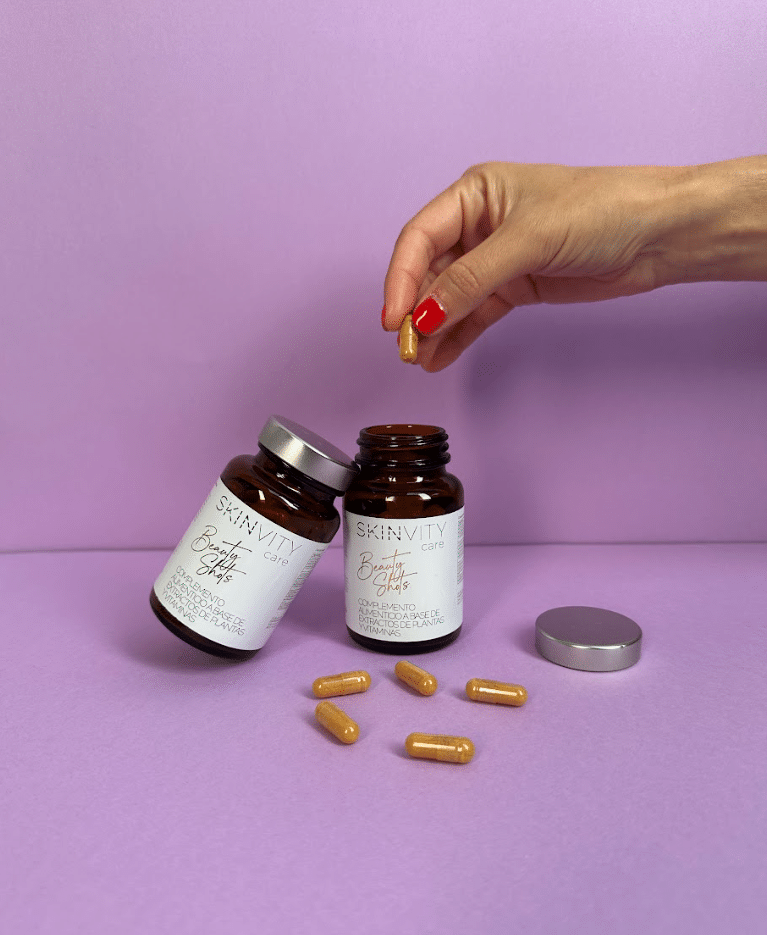
At SKINVITY, you can find our Beauty Shots , which contain a powerful combination of vitamins and plant extracts to work on your skin from within. Among the properties of our Beauty Shots dietary supplement is its ability to give your skin a radiant and healthy appearance. Furthermore, we believed we could go a step further in your well-being, creating a product that not only makes you look good but also feel good. That's why it incorporates effective ingredients to strengthen your immune system, improve your gut health, and provide a calming effect. Self-care has many facets, and we believe it's very important to offer you everything you need to achieve optimal well-being.

Skin care products: Some ingredients in cosmetics, such as retinoids and certain peptides, can affect the epigenetics of skin cells, promoting cell renewal and collagen production.
Epigenetics is undoubtedly a fascinating field that shows us how our habits and environment can influence gene expression, offering potential pathways to maintain and improve our skin's health. Welcome, youthful and healthy skin.